
Author: physiotherapy publications
-
Early symptoms of increased Uric Acid (hyperuricemia)
Early symptoms of increased Uric Acid (hyperuricemia) can be subtle or even absent at first, but when they do appear, they’re often linked to gout or kidney issues. Common early signs include: 1. Joint-related symptoms (often in gout) Sudden pain in a joint, usually the big toe (but can affect ankle, knee, or fingers) Redness…
-

Tummy Time: Why It’s More Important Than You Think
It helps strengthen muscles, improve coordination, and prepare your baby for crawling and sitting. But many parents don’t realize how essential it really is.
-

Sciatica or Just a Backache? How to Tell the Difference
If you’ve ever felt a sharp, radiating pain down your leg, you might be dealing with sciatica rather than a simple backache. But how can you tell the difference?
-

Knee Pain After 40: Normal Aging or Something to Worry About?
Every time you walk, bend, stand, or sit, your knees help carry your body weight and absorb impact. Over time, this wear and tear can take a toll on the structures inside the knee
-

Common Myths About Baby Milestones Every Parent Should Know
Did you know that many beliefs about baby milestones are actually myths? Let’s clear up some of them.
-

5 Signs You Need Physiotherapy: Insights from Sargodha’s Expert, Dr. Farjad Afzal
Struggling with pain or limited mobility? Discover 5 key signs you need physiotherapy and how Dr. Farjad Afzal,can help you regain strength and live pain-free.
-

Why You Lose Balance as You Age (and How to Prevent It)
Losing balance isn’t just a normal part of aging—it happens for specific reasons. The good news? You can take steps to improve your balance and reduce the risk of falls!
-
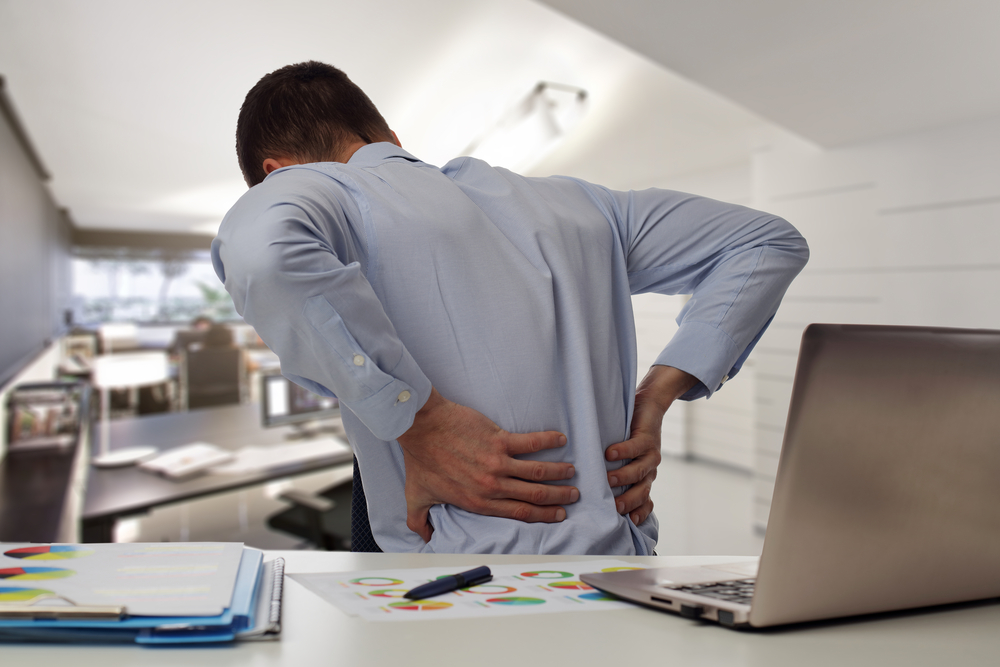
Do You Need Physiotherapy If You Work a Desk Job?
Many office workers experience stiffness, and pain, but do you need physiotherapy for that?
-

Sore Muscles After a Workout? Here’s When to Worry
Muscle soreness can be a natural part of strengthening your body, but certain symptoms shouldn’t be ignored.
-
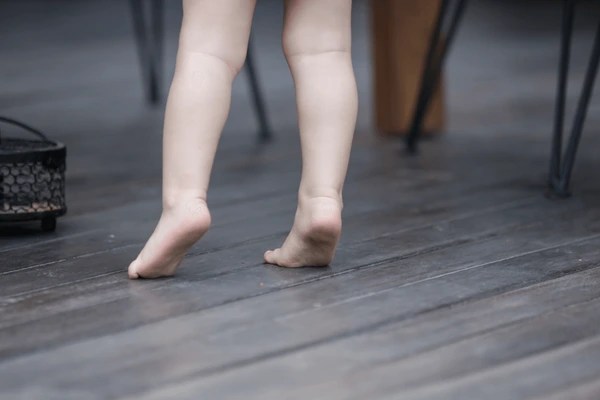
Toe-Walking in Toddlers: Should You Be Concerned?
Typically, this habit fades by the age of 2 to 3 years. However, in some cases, it may persist.
 Pak Physio Sargodha