

The Secret Pain in Your Butt: Understanding Your SI Joint
If you have pain shooting down your leg, you probably think it’s sciatica.
That’s a natural first thought!
Sciatica is incredibly common.
However, there’s another issue that causes a very similar ache that doctors often miss:
Sacroiliac (SI) Joint Dysfunction.
Understanding the difference is key to getting the right treatment.
Let’s break down what each one is and how you can spot the subtle differences.
What’s Really Going On Down There?
The first step is knowing where the pain comes from.
These two conditions are near each other, but their sources are totally different.
The Sciatica Culprit
Sciatica isn’t a diagnosis itself; it’s a symptom.
It means the sciatic nerve,
which is the longest nerve in your body and runs from your lower back all the way down your leg,
is being compressed or irritated.
- Common Cause: Often a bulging or herniated disc in your lower spine pressing on the nerve root.
The SI Joint Culprit
The Sacroiliac (SI) Joint is located where the base of your spine (the sacrum) meets your pelvis (the ilium).
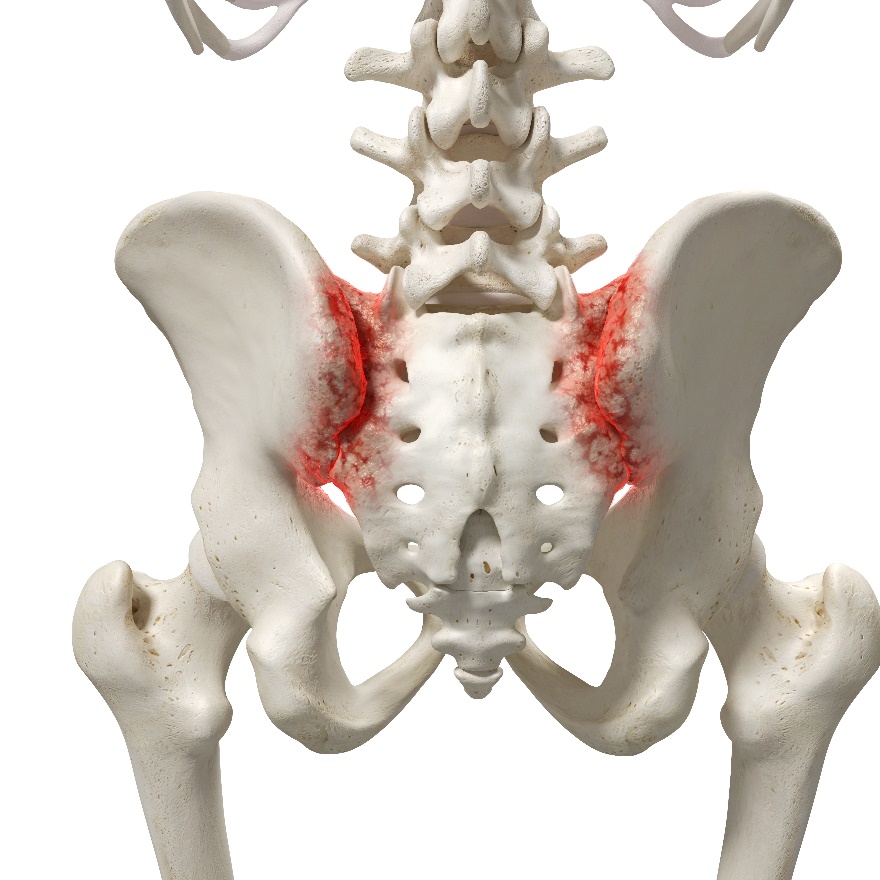
Image Source: cornellpainclinic
These two joints don’t move much,
but when they become inflamed or move too much (or too little), it causes SI Joint Dysfunction.
- Common Cause: Trauma (like a fall on the buttocks), pregnancy, or simple wear and tear.
How to Spot the Key Differences
Both can cause pain in the low back and buttock, but their behavior is the biggest giveaway.
The Location and Feel of the Pain
Sciatica
- Pain Feel: Often described as sharp, shooting, or burning, like an electric shock.
- Pain Path: The pain radiates down the back of the leg, frequently going below the knee and sometimes even into the foot and toes.
- Other Symptoms: True sciatica often includes numbness, tingling, or muscle weakness in the leg or foot.
SI Joint Pain
- Pain Feel: Usually a deep, dull ache that can be sharp when you move certain ways.
- Pain Path: The pain is highly concentrated on one side of the lower back/buttock (you can often point directly to it). While it can radiate, it rarely goes below the knee and often shoots to the groin or front of the thigh.
- Triggers: The pain is commonly worsened by single-leg activities, like climbing stairs, getting out of a low chair, or rolling over in bed.
Why a Physiotherapist is Your Best Option
Because the symptoms are so tricky, self-diagnosing is unreliable.
A physiotherapist is trained to perform specific tests to figure out if your pain is coming from your spine (sciatica) or your pelvis (SI joint).
No matter the cause, physiotherapy offers proven solutions like manual therapy, targeted stretching,
and strengthening exercises to stabilize the area and get you moving without pain.
Recommended Treatment
If you’re dealing with persistent low back, buttock, or radiating leg pain,
don’t guess.
For expert diagnosis and personalized treatment options in Sargodha,
we recommend consulting with Dr. Farjad Afzal,
a highly qualified and experienced physiotherapist.
His clinic offers specialized care,
including the manual therapy and exercise programs needed to resolve complex MSK issues like SI joint dysfunction and sciatica.
 Pak Physio Sargodha
Leave a comment