
Non-Surgical Scoliosis Treatment: The Benefits of Physical Therapy
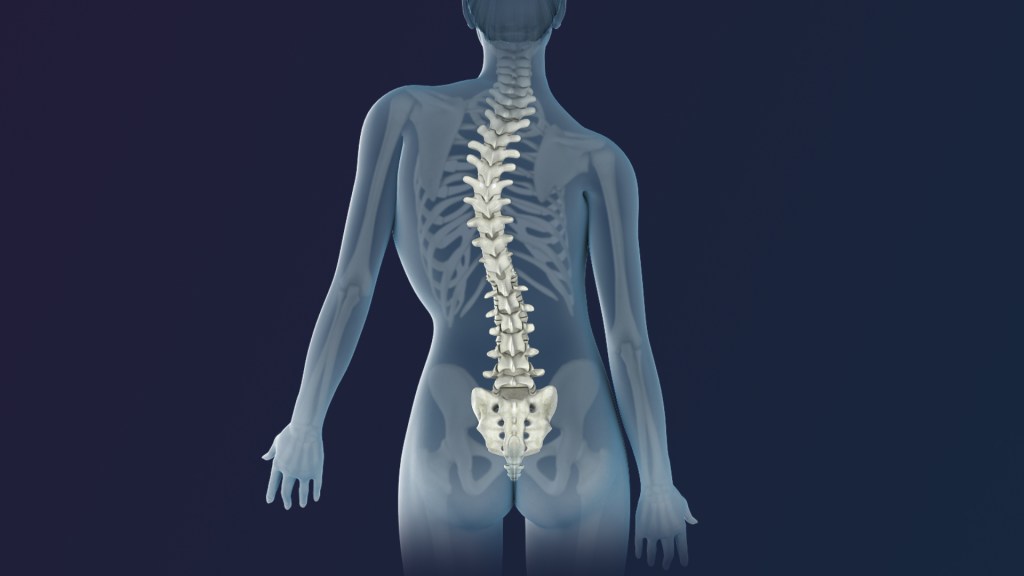
Imagine having a spine that curves like an “S” or “C.”
That’s what scoliosis is – a condition where the spine curves sideways, causing discomfort and sometimes back pain.
For many people with scoliosis, surgery may seem like the only option,
but here’s the good news: physical therapy can be a powerful, non-surgical way to treat scoliosis.
Let’s dive into how physical therapy can help you or someone you know manage scoliosis without surgery.
What Is Scoliosis?
Scoliosis is a condition where the spine curves sideways.
The cause isn’t always clear, but it often develops during the growth years, usually around ages 10 to 15.
In most cases, it’s mild, and people can live normal lives.
But even with mild cases, scoliosis can sometimes cause discomfort, posture issues, or make activities a bit challenging.
How Physical Therapy Can Help with Scoliosis
Physical therapy is a way to strengthen the muscles around the spine and improve posture without needing surgery.
A trained physical therapist creates a treatment plan with exercises
designed to help keep the spine as straight as possible, reduce pain, and improve movement.
Here’s what physical therapy can do for scoliosis:
| Benefit | Description |
|---|---|
| Strengthens Muscles | Strengthening the muscles around the spine helps to keep it stable and in better alignment. |
| Improves Posture | Posture exercises help correct the way you stand and sit, keeping your spine in a healthier position. |
| Reduces Pain | Gentle exercises and stretches ease tightness and pain, making it easier to move. |
| Increases Flexibility | Stretching helps loosen muscles around the spine, making movement more comfortable. |
| Boosts Confidence | Practicing exercises can help people feel stronger and more in control of their body. |
Improving Balance in Scoliosis
People with scoliosis may struggle with balance because of the spine’s curve.
Physical therapy can help by including balance-focused exercises that strengthen the core and leg muscles,
making it easier to stay steady.
Here are some activities that improve balance:
Single-Leg Stands: Practice standing on one leg for a few seconds to improve leg strength and stability.
Balance Boards: These boards are fun tools that challenge your balance while strengthening the core.
Heel-to-Toe Walks: Walking in a straight line, heel-to-toe, helps improve coordination and control.
Standing Yoga Poses (like Tree Pose): Yoga poses engage the core and legs, boosting both balance and flexibility.
These activities, when practiced regularly, can help people with scoliosis feel more stable and confident in their movements.
Why Choose Physical Therapy?
Physical therapy is gentle, safe, and helps many people manage scoliosis without surgery.
It’s a great option for people with mild to moderate curves.
By keeping up with the exercises and stretches, people can live more comfortably and confidently.
Final Thoughts
If scoliosis is part of your life, remember that surgery isn’t always the only answer.
Physical therapy can offer a path to better health and comfort with a few simple exercises and stretches.
For the treatment of Scoliosis, Contact Dr. Farjad Afzal at Khawaja Arshad Hospital in Sargodha to provide a proper plan and guide you in the best way possible.
With regular sessions, physical therapy can help keep scoliosis in check without needing surgery.
 Pak Physio Sargodha
Leave a comment