

Sciatica Pain in Pregnancy:
Pregnancy can bring about some uncomfortable changes in the body.
One common issue that many pregnant women face is sciatica.
If you’re feeling pain that starts in your lower back and shoots down your leg, you might be dealing with sciatica.
But why does this happen during pregnancy, and what can you do to feel better?
Let’s dive in and find out.
What Causes Sciatica During Pregnancy?
Sciatica happens when the sciatic nerve, which runs from your lower back down to your legs, gets irritated or pressed on.
During pregnancy, there are several reasons why this can occur:
- Growing Baby and Uterus: As your baby grows, your uterus expands. This can put pressure on the sciatic nerve, causing pain. The bigger your baby gets, the more pressure there is, which can make the pain worse.
2. Weight Gain: Gaining weight during pregnancy is normal and healthy. However, the extra weight can add stress to your lower back and pelvis, which can lead to sciatic nerve pain.
3. Posture Changes: As your belly grows, your center of gravity shifts forward. To keep your balance, you might start leaning backward, which can strain your lower back muscles and put pressure on the sciatic nerve.
4. Hormonal Changes: During pregnancy, your body produces a hormone called Relaxin. This hormone helps to loosen the ligaments in your pelvis to prepare your body for childbirth. While this is important, it can also make your joints more flexible and less stable, which can lead to pressure on the sciatic nerve.
5. Baby’s Position: The way your baby is positioned in your womb can also affect the sciatic nerve. For example, if your baby is sitting low or in a way that presses on the nerve, you might experience more intense sciatica pain.
What Can You Do to Relieve Sciatica?
Sciatica can be quite painful, but the good news is that there are several things you can do at home to help relieve the pain.
Here are some simple tips that might help:
- Hot Bath: Taking a warm bath can help relax your muscles and ease the pain. The heat can soothe the area around the sciatic nerve, providing relief. Just make sure the water isn’t too hot, and be careful when getting in and out of the tub to avoid slipping.
- Massage: A gentle massage on the lower back and buttocks can help relieve the tension in the muscles around the sciatic nerve. You can visit a professional massage therapist who specializes in prenatal massage.
- Sleep on Your Side: Sleeping on your side, especially the side opposite to the pain, can reduce the pressure on the sciatic nerve. Placing a pillow between your legs can also help align your hips and reduce discomfort.
- Use a Heating Pad: Applying a heating pad to the lower back or buttocks can help reduce muscle tension and ease the pain. Make sure to use the heating pad on a low or medium setting to avoid burns.
- Cold Packs: If your sciatic pain is severe, applying a cold pack to the area might help reduce inflammation. You can use a cold pack for about 15-20 minutes at a time.
- Avoid Prolonged Sitting or Standing: Staying in one position for too long can worsen sciatic pain. Try to change positions frequently, and take breaks to walk around if you’ve been sitting or standing for an extended period.
- Supportive Shoes: Wearing comfortable, supportive shoes can help reduce strain on your lower back. Avoid high heels, as they can throw off your balance and increase pressure on the sciatic nerve.
What are the Best Exercises for Sciatica Pain Relief?
In addition to the tips mentioned above, certain exercises can help relieve sciatic pain by strengthening the muscles around the sciatic nerve and improving flexibility.
However, before starting any exercise routine, it’s essential to consult with your healthcare provider or a physical therapist to make sure it’s safe for you and your baby.
Here are some gentle exercises that might help:
Pelvic Tilts:
- Lie on your back with your knees bent and feet flat on the floor.
- Gently flatten your lower back against the floor by tightening your abdominal muscles and tilting your pelvis upward.
- Hold for a few seconds, then relax. Repeat 10 times.
- This exercise can help strengthen your core muscles and relieve pressure on the sciatic nerve.
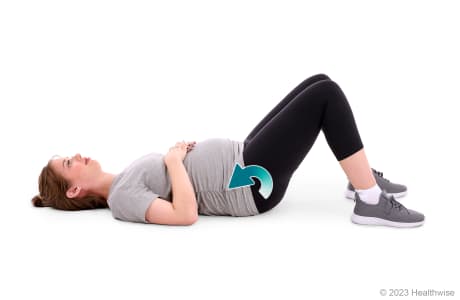
Image Source: myhealth.alberta.ca
Seated Piriformis Stretch
- Start with legs extended straight in front of you, keeping your back straight.
- Place one foot flat on the floor by crossing it over the opposite knee.
- Use your opposite arm to press against the outside of the bent knee, deepening the stretch.
- Maintain the stretch, then switch to the other side.

Image Source: medium.com/phyzio
Pigeon Pose Stretch
- Start on your hands and knees.
- Position one knee behind your wrist, extending the opposite leg back.
- Place your front shin in a comfortable position.
- Gently lower your torso over the front leg, supporting yourself with your arms.
- Hold for 20-30 Seconds: Breathe deeply, then switch sides

Image Source: walnuthillobgyn.com
When to See a Doctor
While these tips and exercises can help alleviate sciatica pain, it’s essential to know when to seek professional help.
If your pain is severe, constant, or getting worse, or if you experience numbness, tingling, or weakness in your leg, you should consult with your healthcare provider.
They may recommend physical therapy or other treatments to help manage your pain.
Dr. Farjad Afzal, at Khawaja Arshad Hospital provides a detailed treatment plan and exercises to minimize the pain effectively.
About Dr. Farjad:
Dr. Farjad Afzal is a Pediatric Physical Therapist with more than 12 Years of Experience. He is currently practicing in Khawaja Arshad Hospital.
He has a T-DPT/MPhil from the University of Health Sciences, Lahore, and a BSPT from King Edward Medical University. He previously worked as a pediatric physical therapist at COMPASS.

 Pak Physio Sargodha
Leave a comment