

Cerebral Palsy: Insights from Dr. Farjad Afzal
Cerebral palsy (CP) is a condition that affects movement, muscle tone, and posture.
It often starts in early childhood.
Common symptoms include hyperactivity, toe walking, and calf tightness.
Dr. Farjad Afzal, an expert physiotherapist, shares his advice on how to manage these symptoms effectively.
Hyperactivity in Cerebral Palsy
Children with cerebral palsy often show signs of hyperactivity.
This means they move a lot, act impulsively, and have trouble focusing.
This behavior can be tough for both the kids and their caregivers.
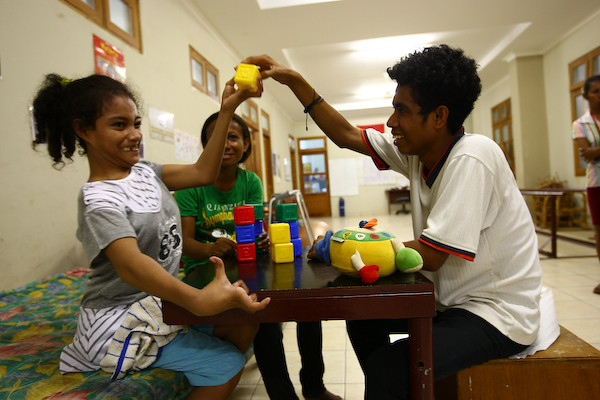
The brain damage from CP can cause these hyperactive behaviors.
To manage hyperactivity, a mix of therapies is usually best.
Behavioral therapy, medications, and structured daily routines can help.
Physiotherapy is also important.
It helps direct the child’s energy into useful physical activities.
Dr. Farjad Afzal highlights that personalized physiotherapy programs are crucial.
These programs can help children develop motor skills and coordination, which can reduce hyperactivity and improve their overall abilities.
Toe Walking and Its Implications
Toe walking means a child walks on their toes without using their heels much.
While some children may grow out of this, it often persists in kids with CP and needs to be addressed.
If not treated, toe walking can cause muscle imbalances and other issues.
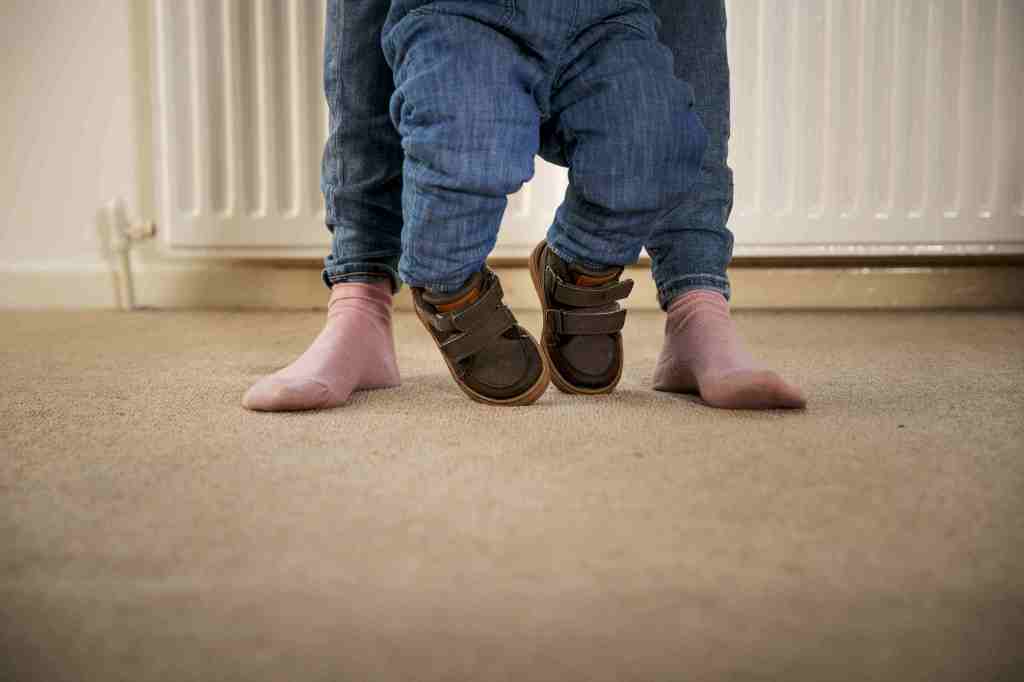
Dr. Farjad Afzal explains that toe walking in CP is often due to spasticity.
This is when certain muscles are always tight.
In CP, this usually affects the calf muscles, leading to tightness.
Early physiotherapy can help prevent long-term problems and encourage normal walking patterns.
Calf Tightness: A Consequence of Spasticity
Calf tightness in cerebral palsy happens because of spasticity.
The calf muscles are always tight, causing stiffness, limited movement, and pain.
This can make walking hard and lead to joint problems over time.
Physiotherapy is key to managing calf tightness.

Stretching exercises, massage, and other techniques can relax the muscles and improve flexibility.
Dr. Farjad Afzal suggests a mix of passive and active stretching exercises tailored to each person.
Regular physiotherapy can keep muscles long, reduce stiffness, and help with mobility.
The Role of Physiotherapy
Physiotherapy is essential in treating cerebral palsy.
It helps improve movement, reduce muscle tightness, and enhance the overall quality of life.
Several effective physiotherapy techniques are recommended:
- Stretching and Strengthening Exercises: These exercises keep muscles long, improve flexibility, and build strength.
2. Gait Training: Special exercises and techniques help improve walking, reduce toe walking, and improve balance.
3. Hydrotherapy: Water-based exercises that are gentle on joints and muscles while providing resistance to build strength and mobility.
4. Use of Orthotic Devices: Customized braces and supports can help manage muscle tightness, improve alignment, and support proper walking.
Conclusion
Understanding these symptoms and using effective physiotherapy can greatly improve the lives of those with CP.
Tailored physiotherapy programs can help individuals with CP move better, feel less discomfort, and enjoy a better quality of life.
If you or someone you know has cerebral palsy, seeing a specialized physiotherapist like Dr. Farjad Afzal can make a big difference.
His personalized care ensures that each patient gets the best treatment for their specific needs.
About Dr. Farjad:
Dr. Farjad Afzal is a Pediatric Physical Therapist with more than 12 Years of Experience. He is currently practicing in Khawaja Arshad Hospital.
He has a T-DPT/MPhil from the University of Health Sciences, Lahore, and a BSPT from King Edward Medical University. He previously worked as a pediatric physical therapist at COMPASS.

 Pak Physio Sargodha
Leave a comment